
As a production company, the tools, platforms, and audience expectations we work with have altered faster in the last several years than in the previous two decades combined. Yet across 20 years of producing films for nonprofits, universities, and global organizations, a few patterns remain true despite these seismic shifts. Here’s what we’ve noticed about successful storytelling:
Focus Beats Scope
Organizations involved in important, broad, systemic work often have a burning instinct to capture the full scale of their mission in one piece. They want to tell the story of every program, every region, and every statistic. But we know that the videos that move people are built around a singular story of impact: one specific person, one specific moment, one specific detail.
The annual report that reads “we served 40,000 families this year” may pass a donor’s bar for scope of reach. But the focused story of one family whose life has been transformed with meaningful detail to demontrate that truth is what moves the donor to action. So, leave the scope for the annual report, the capture or the prologue text and instead focus on the single human experience.
The Best Moments Are Rarely Planned
We’ve spent a lot of time sitting across from polished politicians, rural farmers and every type of folk in between, all of them revealing something nearly universal about the interview process: The most compelling material is often not the prepared answer to the question you asked, but rather the unscripted moment. It’s the aside, the pause before they decide to be more honest than intended, or when something genuinely occurred to them in the moment. Capturing these moments requires patience. It’s giving subjects room to sit in silence, asking thoughtful follow-up questions rather than moving own a list, being authentic and vulnerable yourself and willing to let an interview run longer when something real starts to surface.
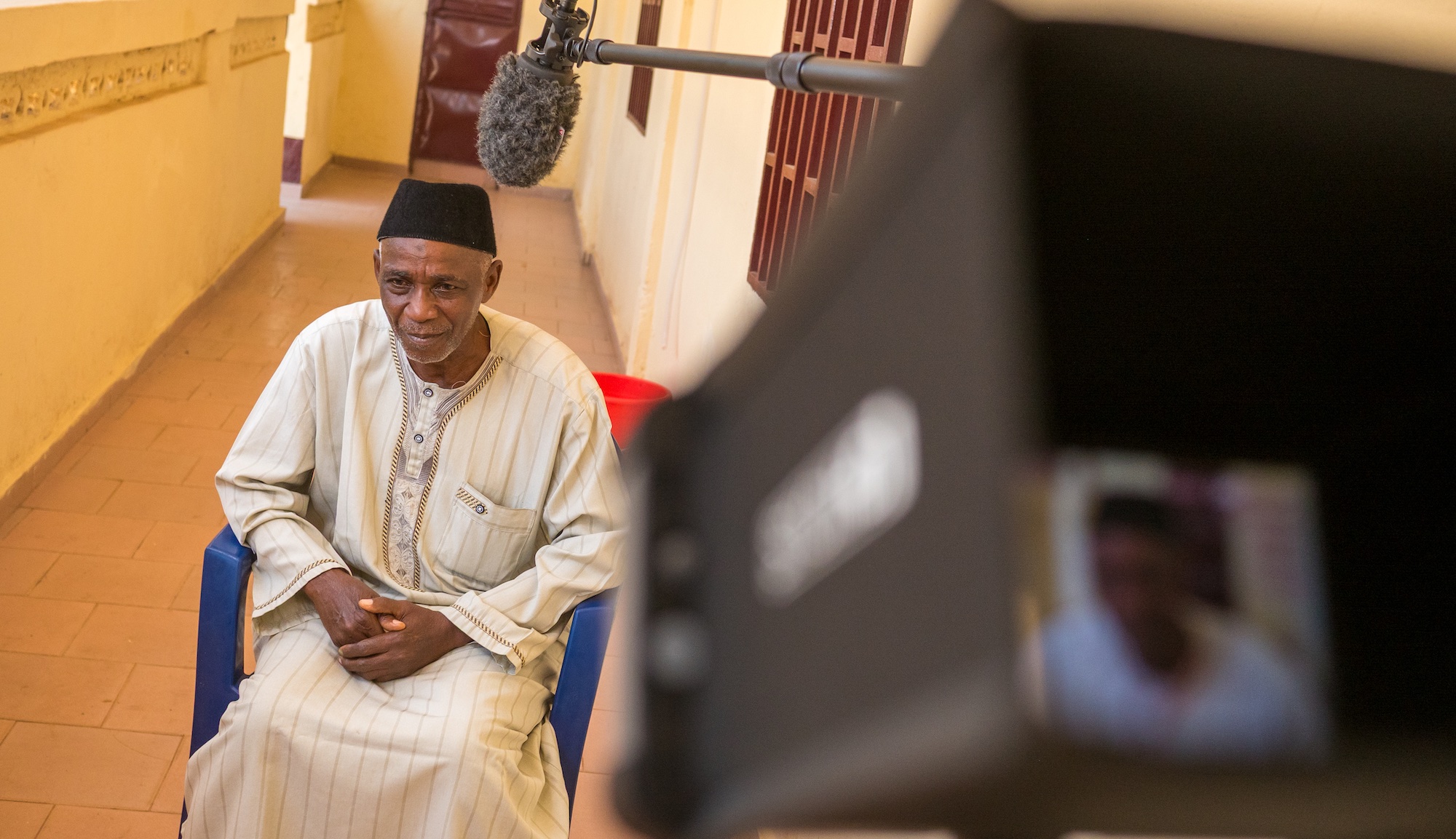
This is also why documentary-style capture, which involves spending real time with people, tends to produce more authentic material than a highly controlled 20-minute interview shoot. The serendipity of this approach is where the best material surfaces.
Tension Creates Engagement
Your story is trusted more by audiences and lingers with them longer when the ‘hard part’ is central. Audiences love a comeback, an underdog, or something to root for. And the triumphant resolution feels that much sweeter when the build up was challenging. This is not to say that you need to manufacture drama, but don’t avoid it either.
Target What the Viewer Should Feel, Not Just Know
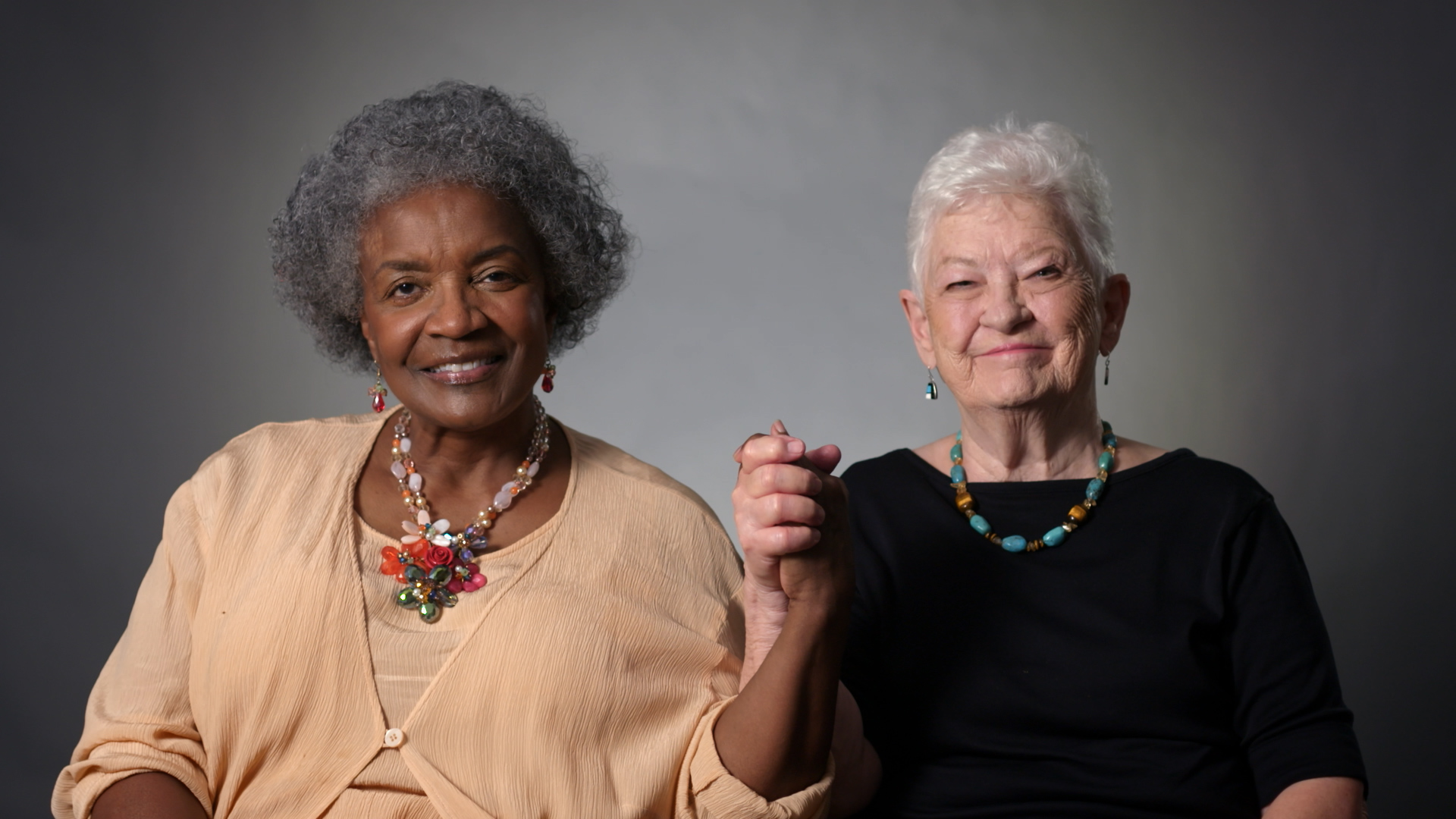
Before any script or interview plan comes together, it’s worth being explicit about the emotional target, not just the informational one. It’s fine to start with the goal “We want the audience to understand our program,” but it shouldn’t drive the creative trajectory. “We want the audience to feel the urgency of what happens if this program doesn’t exist” carries a weightier, sharper target. This is the tone that moves which moments, which pacing, and which music choices actually serve the story.
Serve the Viewer Over the Organization
It’s tempting to build a story around what the organization wants to say about itself. The stories that actually work are built around what the viewer needs to feel or understand in order to act; to donate, volunteer, advocate, enroll. Those two things often overlap, but they’re not the same goal. Initiating the creative process from the viewer’s side of that equation tends to produce more effective, and honestly more honest storytelling.
The Non-Formulaic Formula
These patterns hold up across a huge range of projects and organizations, but none of them is a rule or formula to follow mechanically. The best storytelling still comes from genuine curiosity about the people and work being filmed, a willingness to let the story be more complicated than a tidy message, and enough craft to know when to get out of the way and let a real moment speak for itself.
Want to talk through how to tell a specific story from your organization?

