
Often we have clients who say they want an animated explainer or a documentary style film. But they haven’t clearly thought about the message they want to share and whether the format they’ve asked for is the best approach. Knowing this is important because the format influences many of the next decisions that shape the production: tone, cost and timeline. But how to determine whether a story should be animated or filmed? Here’s how we break down that decision:
What Documentary-Style Video Does Best
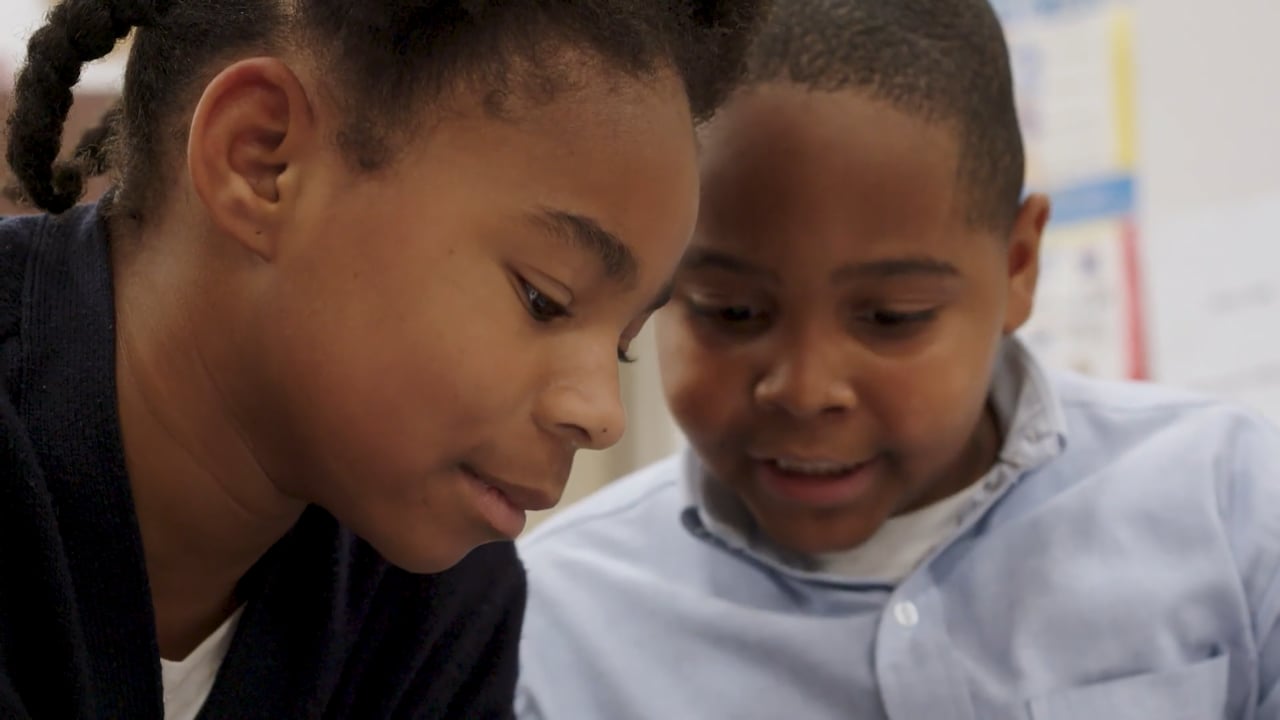
Documentary-style production focuses a camera lens on real people and real settings. In doing so, it establishes emotional connection and credibility. Footage of a real human being telling their story in their own voice, is the ideal way to build trust, show authentic human impact and demonstrate impact.
Documentary style tends to be the right choice when:
- Your story’s power comes from a specific person, place, or moment: a participant’s journey, a scientist’s groundbreaking research, or demonstrating the impact of a flagship program.
- Authenticity and trust are the primary goals for establishing evidence of impact over time for donor communications or policy outreach.
- You want the audience to feel something more than just understand something
- The subject matter benefits from nuance, texture, and the messiness of real life, which animation can sometimes gloss over.
The trade-off is that documentary production generally requires more lead time and more contingency planning. that’s because it depends on real-world variables, like subject availability, weather, and location access.
What Animated Explainer Video Does Best

Animation is built for clarity. When you need to explain something abstract, complex, data-heavy, or simply less visual by nature. It could be a policy mechanism, a financial model, a scientific process, or a multi-step program. Animation lets you show exactly the concept you need, with total control over pacing, visuals, and information sequencing.
Animation tends to be the right choice when:
- The subject matter is conceptual or process-based rather than personal or emotional. For example, how a supply chain works, how good nutrition is essential for achieving global development goals, or how a university endowment works.
- You need to simplify something genuinely complex for a general audience.
- There’s no compelling visual way to film the subject matter (data, systems, internal processes)
- You are launching a program or pitching a policy initiative that you don’t yet have real-life proof-of-concept.
- You need precise control over pacing, branding, and message without depending on a real subject’s availability, comfort on camera, or unpredictable real-world footage
The trade-off is that animation can’t replicate the emotional authenticity of a real human voice and face. It’s also not necessarily faster or cheaper than documentary. Quality animation is a skilled, time-intensive craft. Its costs scale with complexity, style, and length just as much as live-action does. Additionally, because so much detail can be closely chosen and controlled, it tends to have more feedback loops between the creative firm and the client than documentary-style production, which can slow the delivery timeline.
A Simple Test/Flow Chart
Ask yourself: is the thing I need to communicate a story, or a system?
If it’s a story in which something happened, to someone, that an audience needs to feel, lean documentary.
If it’s a system that involves a process, a mechanism, an abstraction that needs to be made visible, lean animation.
And if it’s genuinely both, don’t force a single format to do all the work. The best video often uses each format for what it does best, rather than stretching one approach to cover all needs. Documentary can be used to set the stakes, while animation can then explain the mechanism or system. Also consider that there is a strong case for creating both explainer animations AND documentary stories as part of an organization’s healthy visual content release.
Eidolon Films produces both Emmy-winning documentary films and custom animated explainers for nonprofits, universities, government agencies, and global organizations. Not sure which is right for your message? Let’s talk it through.

