
Initially, our collaborations with clients began with single-project requests, often driven by an immediate need: a fundraising film, a communications campaign, an annual report, or coverage of a major event.
These projects were successful in their own right. But there was a pattern we kept noticing. Once a project was delivered, our communication with the client would pause until the next need arose. We would then pick things up again, re-establish the context, and start producing from where the organization was at that particular moment.
The result was that we were often creating content reactively, rather than proactively , responding to the stories our clients needed to tell rather than being close enough to their work to recognize and capture those stories as they emerged.
We saw an opportunity to do things differently.
From production partner to storytelling partner
Our clients don’t just have one story to tell. They have stories unfolding throughout the year: across programs and departments, at events and in the field, with donors, staff, beneficiaries, students, researchers, and communities.
That’s what led us to develop our Storytelling Partnership: a more integrated way of working that allows us to become an extension of a client’s communications team.
Rather than starting from scratch every time a new video is needed, we’re involved in the planning cycle, understand the organization’s priorities, and are ready to capture and produce content as stories happen. Over time, that familiarity means we can work faster, create more connected content, and ensure everything we produce feels consistent with the organization’s brand and wider communications strategy.
It also gives organizations access to multiple areas of specialist production expertise without the overhead of building an equivalent team in-house. But that doesn’t mean an ongoing partnership is right for everyone.
That’s why we’ve kept our Project-Based Production service alongside the Storytelling Partnership. Some organizations need a production team for one important moment; others need a creative partner throughout the year. And sometimes, the best way to find out which you need is simply to work together on a project first.
Model 1: Project-Based Production
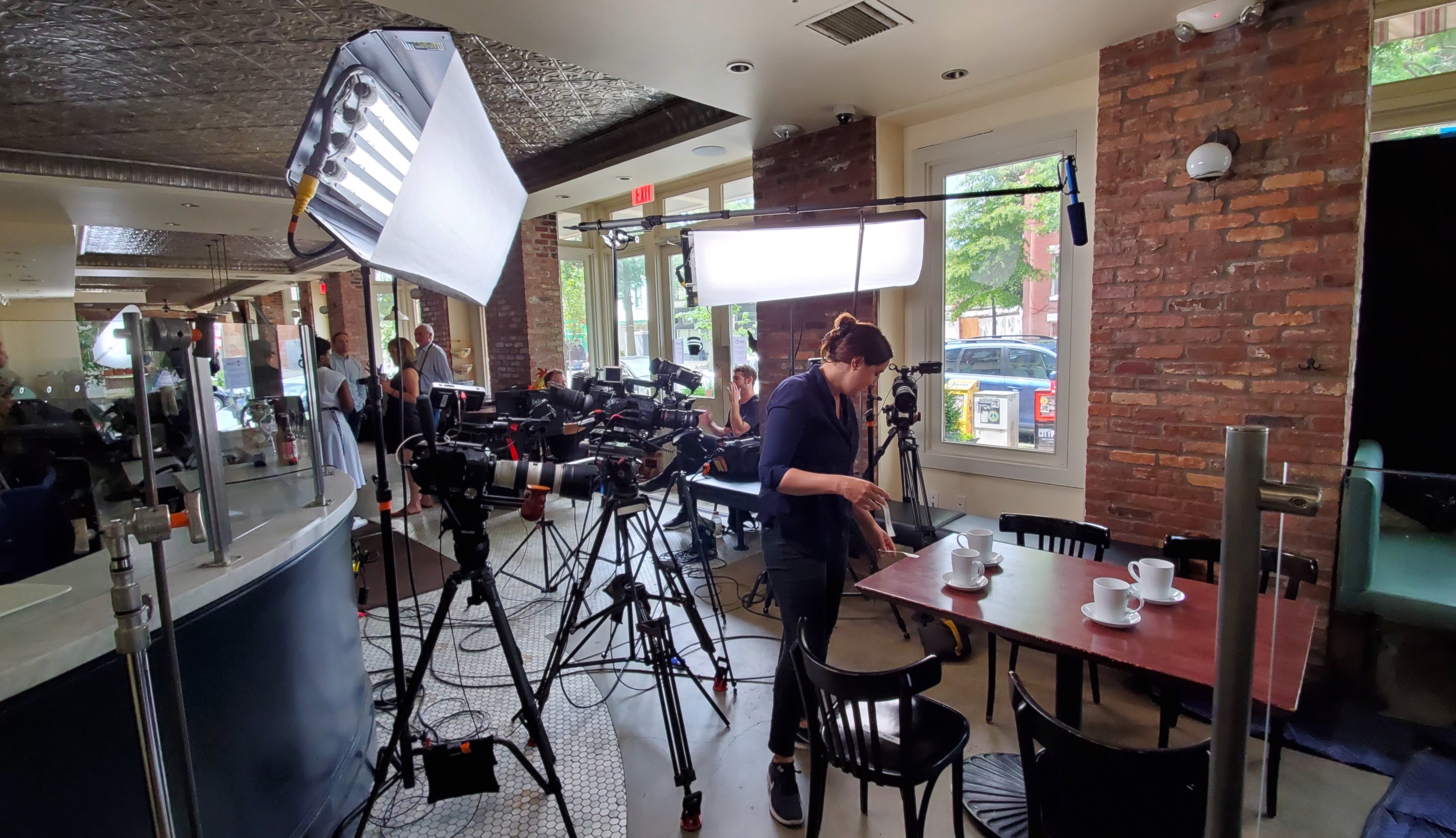
This is the classic engagement. You have a defined need: a capital campaign film, a gala video, an event recap, an explainer for a new program. You bring in a production partner to take it from concept to final cut, creating a focused piece with a clear narrative and a beginning, middle, and end.
Project-based production makes sense when:
- You have a specific event, campaign, or milestone driving the need — an anniversary, gala, product or program launch, or capital campaign.
- The story is self-contained and doesn’t require ongoing footage capture throughout the year.
- Your internal team can handle day-to-day content such as simple social clips, photography, short updates, but needs a specialist for the bigger projects.
- You want to test whether video, or a particular production partner, is the right investment for your organization before committing to something longer term.
The trade-off is that every engagement involves some degree of starting over. Even with a production partner you’ve worked with before, there’s a process of re-establishing context, timelines, priorities, stakeholders, and creative direction each time a new project begins.
For a once-a-year gala video, that feels like a reasonable lift. But if you find yourself calling your production company only when a video deliverable is around the corner, it introduces friction in the form of time, cost, and the effort required to get everyone back up to speed. That’s where an ongoing partnership can make more sense.
Model 2: Ongoing Storytelling Partnership
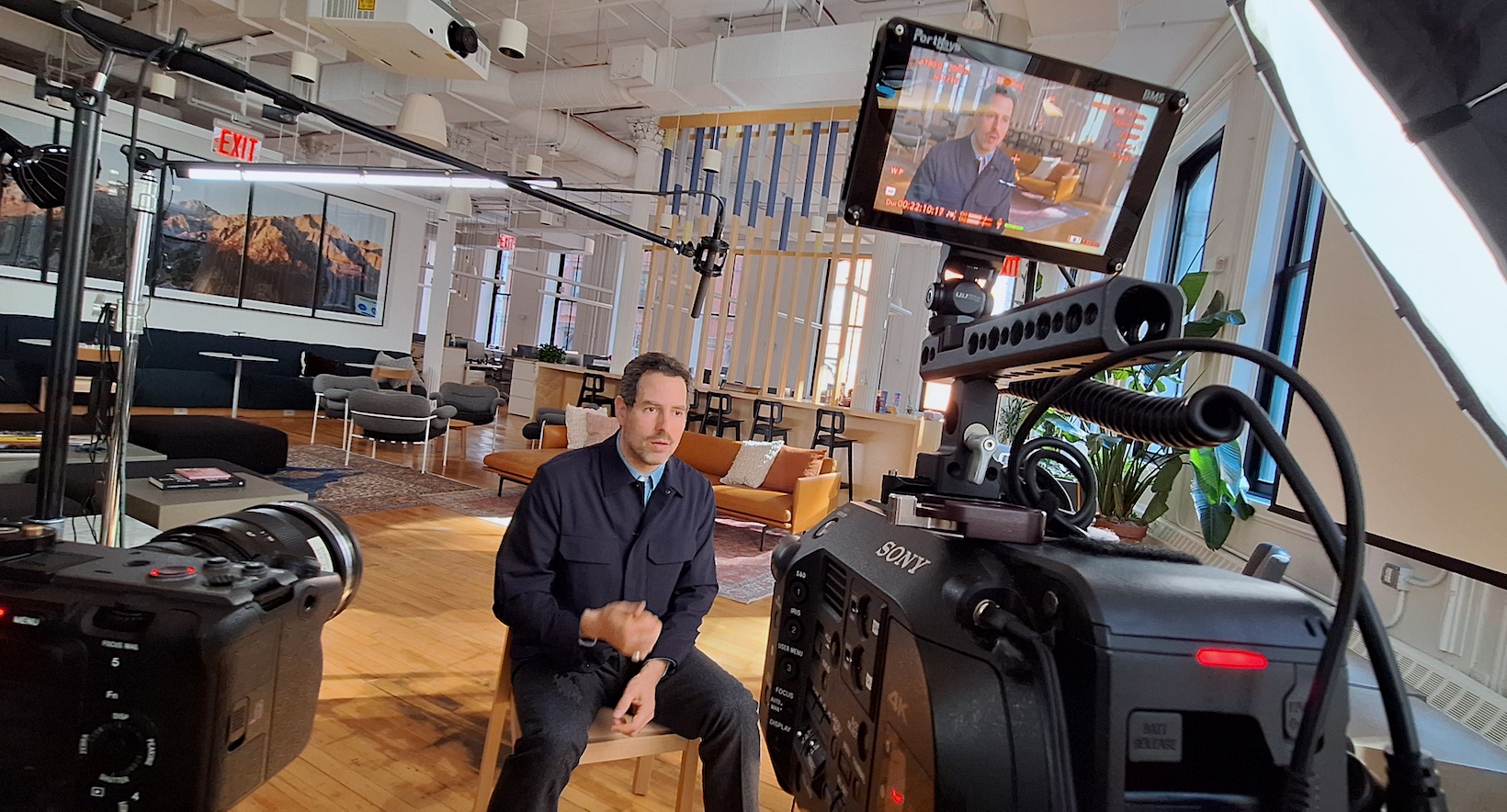
The Storytelling Partnership moves the needle from hiring a vendor for video work to adding a production team to your team.
Instead of restarting from scratch with every new project, your production partner becomes familiar with your organization, your team, your priorities, and your communications calendar. They can join planning conversations, track what’s coming up, and be ready to capture and produce content as it happens.
A Storytelling Partnership tends to be the better fit when:
- Your organization needs a steady stream of content for donor communications, social media, board meetings, annual reports, or program updates, rather than one flagship or event piece a year.
- You have multiple programs, offices, or initiatives generating stories worth telling, but no single “big event” around which to build a video.
- Speed matters. A partner who already understands your mission, brand voice, and key stakeholders can turn around content in days rather than weeks.
- Consistency matters. A single creative team working across your content over time can build a more cohesive visual identity than a series of different vendors.
- You want video-based fundraising and communications to become part of your organization’s regular rhythm, rather than something you commission only for special occasions.
We recognize that this is a commitment. A partnership requires a baseline of trust and a willingness to plan collaboratively rather than transactionally. But when an organization has recurring storytelling needs, the benefits compound over time. The more we understand the organization, the less time is spent onboarding, the faster we can respond, and the more connected the resulting content becomes. And often, we remain with organizations for many years, which brings a long-standing institutional knowledge that has to be built every time an in-house communication hire turns over.
You don’t have to decide upfront
The choice between these two models doesn’t have to be permanent, or even made before we work together. Moreoever, a single project can be a useful way to test-drive a longer-term relationship.
You might start with a campaign film, an event, or a particular program. That gives both sides a chance to see how we work together: how we communicate, how quickly we respond, how well we understand your organization, and what it feels like to have us involved in the storytelling process. From there, the conversation can evolve naturally. If the project works well and you find yourself thinking it would be useful to have us around for the next thing too, or I’m curious what they think about this idea, that’s a good sign that the relationship is working.
An initial project can help identify what an ongoing partnership could look like: which stories are worth capturing, where content gaps exist, how often production support is needed, and how we can fit into your existing communications rhythm. In other words, the first project doesn’t have to be the end point. It can be the first step towards a more strategic way of telling your stories, which is why we opened up this new offering to begin with.
A simple way to decide
If you’re unsure which model is right for you, start with three questions:
1. How many distinct video needs did we have last year?
If the answer is one or two, project-based production may be the most sensible approach. If you’re looking for more content throughout the year, an ongoing partnership may offer greater value and efficiency.
2. Do we have stories happening throughout the year that we’re currently not capturing?
If there are interesting people, programs, milestones, events, or moments happening all the time, but they don’t get filmed because there’s no “big” video attached to them, you’re probably missing opportunities to share stories that will connect with your audience.
3. How much internal time goes into onboarding a production partner each time?
Think about the time spent briefing a new vendor on your mission, audience, brand, people, priorities, and ways of working. If that process is happening every few months, a standing partner can remove much of that repetition.
There’s really no exact solution. The right choice depends on the rhythm of your organization and the stories you need to tell. Sometimes, that’s a single project that needs to be done exceptionally well. Sometimes, it’s having a trusted production team alongside you throughout the year. And sometimes, you don’t know which one you need until you’ve worked together once.
Have one story you need told well?
Have stories to tell all year long?

