
If you’re a communications director tasked with “getting a video for the gala” three months before the event, you are familiar with the unique level of stress that comes with it. Awards ceremonies, galas, and annual recognition events are among the highest-visibility moments an organization experiences. The room is filled with donors, honorees, alumni, board members, members of Congress, and members of the press. Despite a jam-packed evening (or weekend), the video presented on stage is often what people remember most. Beyond the event, the video becomes a lasting part of an organization’s communications toolkit.
Having produced award and gala videos for organizations like Georgetown University, the Partnership for Public Service, and the Capuchin Soup Kitchen of Detroit, we have found that the events which run the most smoothly are those that begin the video planning process early. Here’s the timeline we recommend to event communications teams and what you risk losing when you compress it:
10-12 Weeks Out: Pre-Production/ Define the Story and the Honorees
Before any production partner is hired, start asking:
- Who is being honored, and why? The ‘why’ is what drives the story.
- What emotional note should the video touch: celebratory, inspirational, reflective, urgent?
- Do you need multiple video moments (individual honoree tributes, a highlight reel, a mission overview) throughout the event?
Even if these thoughts are still in flux, now is the time to bring in a production partner to help lock down what type of videos could be produced. The earlier they understand the shape of the event, the more they can advise on how and where the stories will land best. This is also the key time to bring in all stakeholders to understand the full picture of wants and needs and to ensure that’s reflected in the video output, from treatment writing to delivery.
8-10 Weeks Out: Pre-Production/ Lock Interview and Shoot Logistics
Award honorees and event beneficiaries are often busy, geographically dispersed, or need a bit of time to warm to the idea of being in front of the camera. This stage is about:
- Scheduling interviews and shoot days around honorees’ calendars, consistently the biggest scheduling challenge.
- Confirming any b-roll or location shoots need to capture program impact. We want to ‘see’ impact, not just ‘hear’ it from your CEO.
- Identifying any archival footage or photos that need to be tracked down and cleared for use.
6-8 Weeks Out: Production
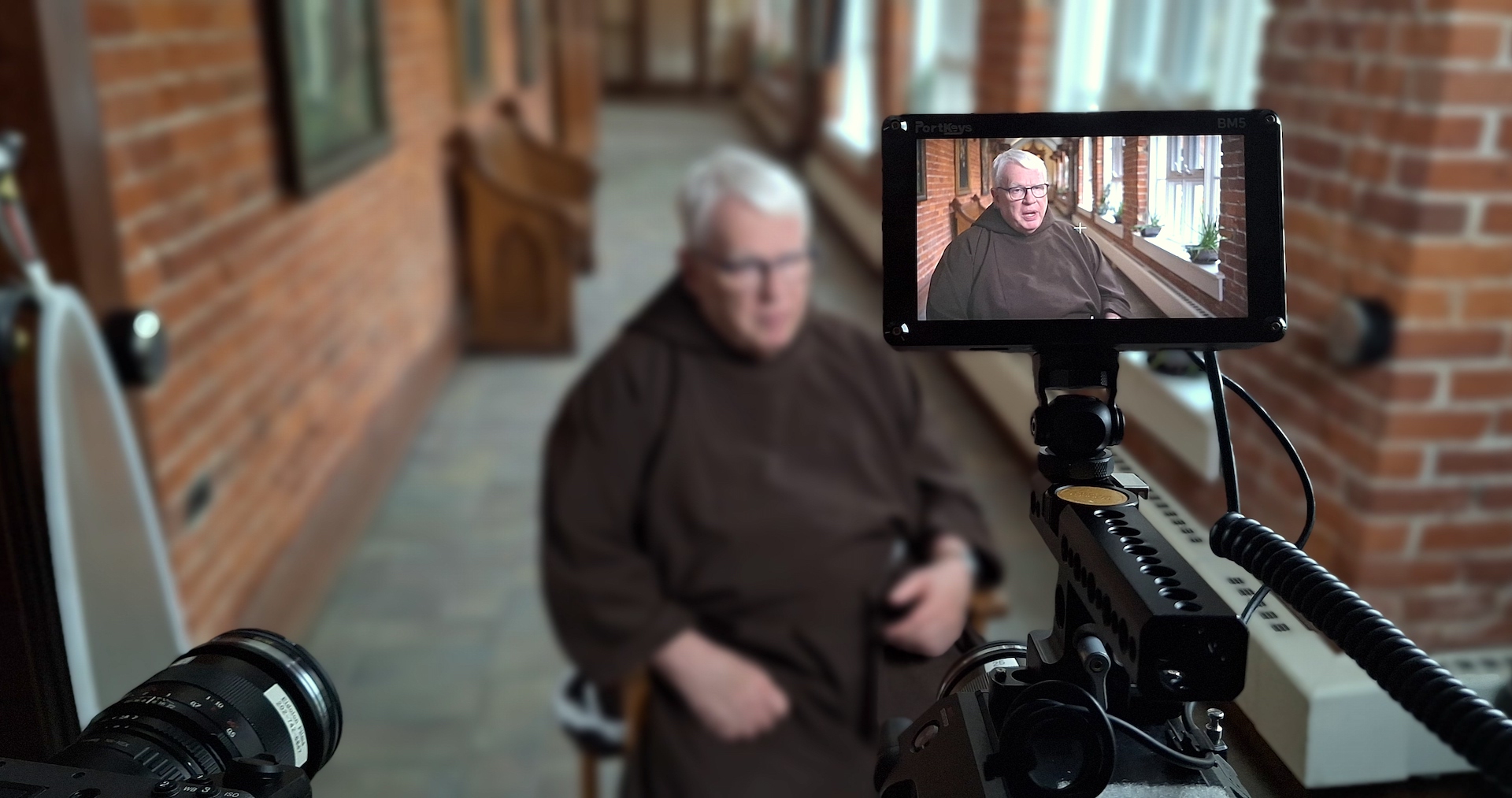
This is when the cameras begin filming. Interviews are conducted, b-roll is captured, and if the event includes an animated element (a data visualization, a donor impact graphic), design work begins in parallel.
4-5 Weeks Out: First Cut and Feedback
We like to send a very polished first cut on our initial delivery. That’s because we believe that if we do our job well in pre-production and clearly understand what the client wants, it’s better to present our best, most refined version of that vision for the first cut. We’ve found that providing something rougher relies on the client to imagine what the final product will look like, which creates unnecessary friction in the post-production phase. This stage is when any internal misalignment comes into view, and we can clarify opinions about which honoree should receive more screen time or whether the tone is appropriate. It’s important to build in plenty of time for stakeholders to provide feedback because this is the stage we ask for the most structural-related observations that will shape the story going forward in the revision process.
2-3 Weeks Out: Revisions and Final Approval
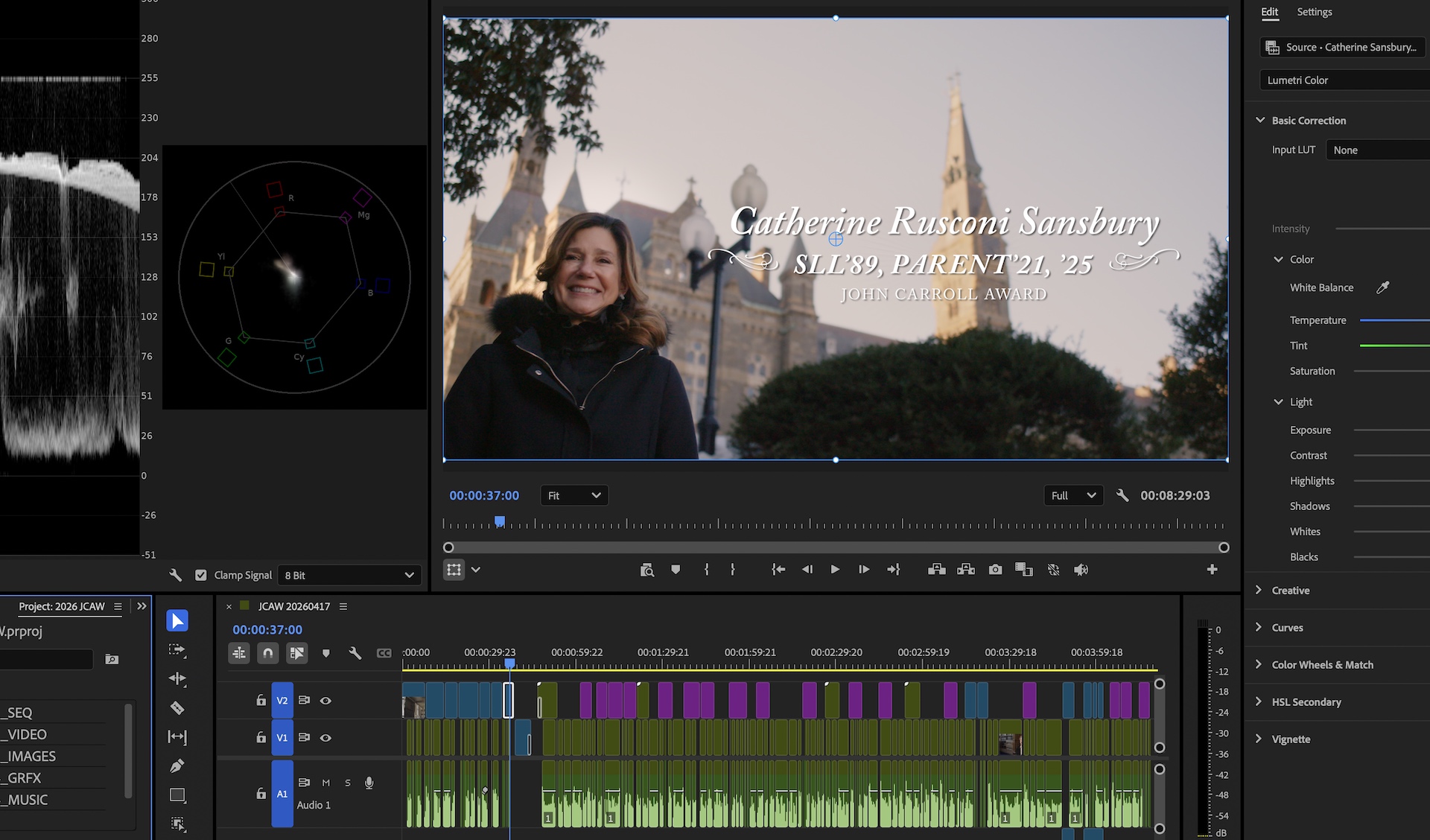
Rounds of revisions get incorporated, music and sound design are finalized, and any last-minute event details (updated honoree titles, sponsor logos, a late-breaking statistic) are locked in.
1 Week Out: Technical Delivery and Run-Through
The video gets exported in the correct format and resolution for your venue’s AV setup. Confirm aspect ratio, file format, and audio levels with your venue or AV team well before the event, and if at all possible, do a technical run-through in the actual room. A file that plays perfectly on a laptop can look and sound completely different on a ballroom screen and sound system.
Event Day: Have a Backup Plan
Bring the file on two devices, in two formats, and confirm who is physically responsible for hitting play. This sounds obvious but you want to make sure the actual delivery runs smoothly.
What Happens When the Timeline Gets Compressed
We understand that not every gala video gets a 12-week head start. Sometimes an honoree is confirmed late, or the video request comes in after the event planning is already well underway. When timelines compress, the biggest risk is a major reduction in the review and revision stage, which is exactly when internal disagreements tend to surface. If these surface right before the deadline, with no time to resolve them calmly, it can add an unnecessary layer of stress to the event planning process.
If your event is coming up fast, the most valuable thing you can do is get your key internal stakeholders aligned on the story and tone before your production partner starts cutting, rather than after.
Whether your event is 3 months or 3 weeks away, reach out to Eidolon Films and we’ll help you build a realistic plan to get a video on stage that does your honorees and your organization justice.

